Which Orcas You Actually See from Anacortes
Bigg’s transients, not the endangered Southern Residents. The difference matters.
There are two orca populations in these waters and they are not interchangeable. Knowing which is which is the single most useful thing before you book.
Southern Residents — famous, and struggling
The fish-eating population that made the San Juans known worldwide. They depend on Chinook salmon, their numbers are critically low, and Washington law keeps vessels a long way from them. You are unlikely to encounter them, and if you do it will be distant and brief. That is the regulation working as intended.
Bigg’s orcas — the ones you will probably see
Also called transients: mammal-hunting, travelling in smaller and more mobile groups, and currently doing comparatively well here — partly because seal and porpoise numbers have recovered. Encounters are genuinely dramatic, since hunting behaviour is active in a way that resting Residents are not.
Same species, different animals
They do not interbreed, do not share territory socially, and sound different. Calling both “orcas” is accurate and hides everything interesting.
Why operators blur it
Because “orcas” sells and the distinction takes a paragraph. The better operators explain it on board. An operator that leads with imagery of the Southern Residents while realistically showing you Bigg’s is not lying, but it is letting you assume something.
What this means for booking
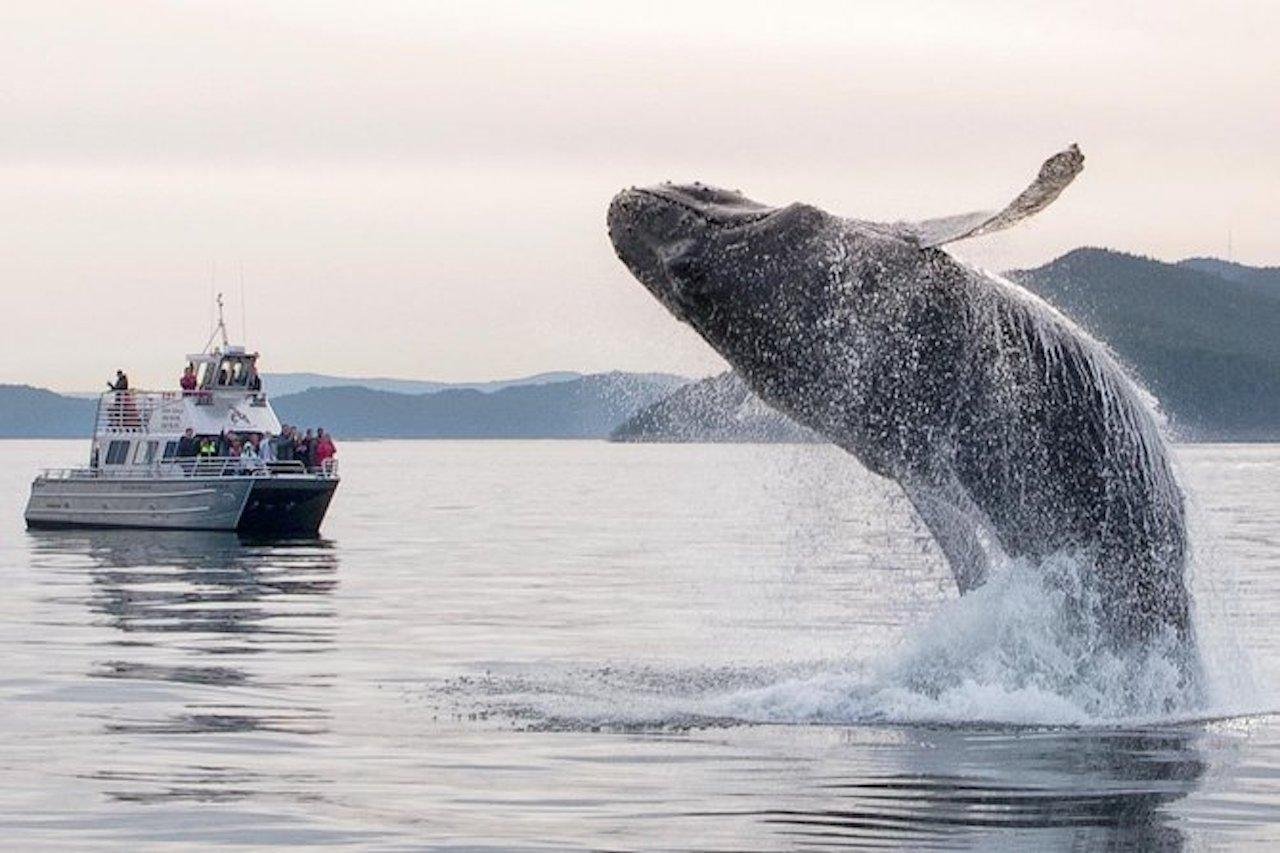
Book for Bigg’s orcas and humpbacks. Treat a Southern Resident sighting as a rare privilege at distance. Any promise of a specific population is overselling.
Book the Sailing, Not the Weather
Trips run on a schedule and the sea does not. Booking ahead holds your place on the boat and keeps free cancellation up to 24 hours, which matters more here than the price does.
Check Availability & Book